

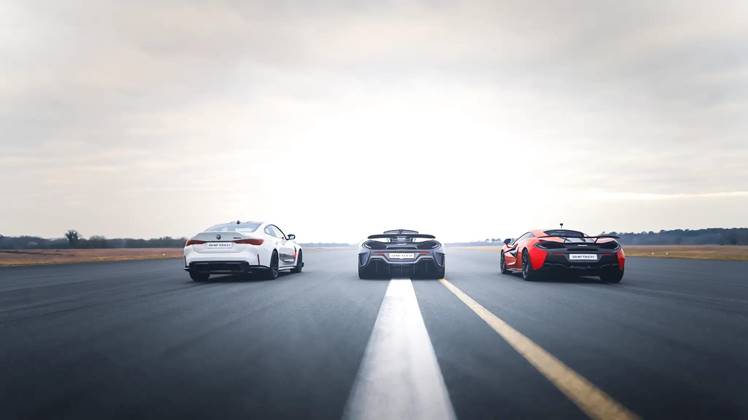
There was a time when owning a 300-horsepower car meant you had something seriously fast.
Then came the era of 500-horsepower sports cars.
Today?
Manufacturers are releasing production cars with 700, 800, 1,000, and even 2,000 horsepower.
Welcome to the new horsepower wars.
The battle for speed has never been more intense, and car manufacturers around the world are competing to build the most powerful road-going machines ever created.
But as performance figures continue climbing to absurd levels, one question remains:
How much horsepower is actually too much?
The New Age of Extreme Performance
Modern performance cars are reaching power levels that would have seemed impossible just a decade ago.
Advances in turbocharging, hybrid technology, battery power, and engine management systems have completely changed what manufacturers can achieve.
Today’s high-performance vehicles can:
- Accelerate from 0–100 km/h in under 3 seconds.
- Produce more power than race cars from previous generations.
- Deliver incredible handling and braking performance.
- Remain comfortable enough for daily driving.
What was once reserved for professional race cars is now available in road-legal machines.
And that’s changing everything.
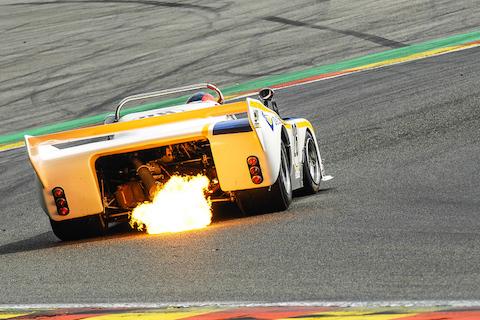
Why Manufacturers Keep Chasing Bigger Numbers
Horsepower sells.
It’s simple.
When buyers compare performance vehicles, power figures are often the first specification they notice.
A car producing 800 horsepower automatically grabs attention.
A car producing 1,000 horsepower becomes a headline.
A car producing 2,000 horsepower breaks the internet.
Manufacturers understand this.
That’s why the horsepower battle continues to escalate year after year.
The result is an industry-wide competition to build faster, quicker, and more powerful machines.
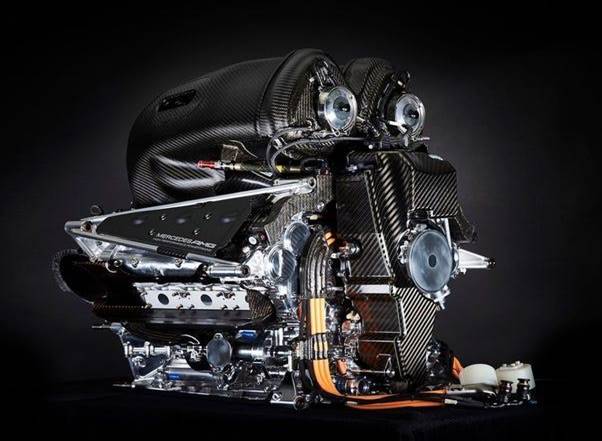
Is More Power Always Better?
This is where things get interesting.
Many enthusiasts dream of owning a 1,000-horsepower monster.
But in reality, using all that power can be surprisingly difficult.
Consider this:
Most public roads have speed limits.
Traffic is unavoidable.
Weather conditions vary.
Road surfaces aren’t always perfect.
In many situations, a balanced 400-horsepower sports car can be more enjoyable than a 1,000-horsepower hypercar.
The real magic often lies in how power is delivered rather than how much exists.
The Rise of Electrified Performance
Electric performance cars are changing the rules.
Unlike traditional combustion engines, electric motors deliver instant torque.
No waiting.
No lag.
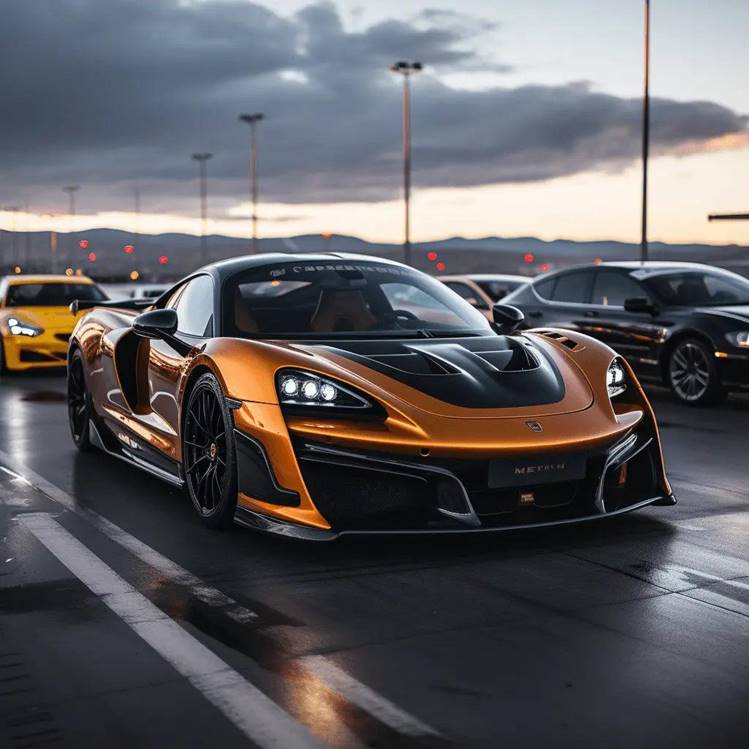
Just immediate acceleration.
This has allowed electric performance vehicles to achieve acceleration figures once considered impossible.
Many electric cars now outperform traditional supercars in straight-line acceleration.
And we’re only getting started.
The next generation of performance vehicles will likely combine electric power with advanced software to create entirely new driving experiences.
Why Weight Matters More Than Horsepower
Here’s a secret many experienced enthusiasts already know:
Power isn’t everything.
Weight matters.
A lighter car with moderate power can often feel faster and more engaging than a heavy vehicle with massive horsepower.
This is why some of the greatest performance cars ever built focused on balance rather than brute force.
Handling.
Responsiveness.
Driver involvement.
These qualities create memorable driving experiences.
Not just dyno numbers.
The Perfect Performance Formula
So what makes the perfect performance car?
Many enthusiasts believe it comes down to five things:
- Strong power delivery
- Excellent handling
- Responsive steering
- Predictable braking
- Driver engagement
When all five work together, the result is something special.
A car that doesn’t just perform well on paper.
A car that makes every drive unforgettable.
The Future of Performance Cars
The future promises even more incredible machines.
Artificial intelligence, advanced aerodynamics, hybrid systems, and electric powertrains are pushing performance to new levels.
Soon, today’s supercars may seem slow compared to what’s coming next.
Yet many enthusiasts hope manufacturers don’t lose sight of what makes performance cars truly special:
The connection between driver and machine.
Because no matter how fast technology advances, excitement remains the most important performance metric of all.
Final Gear
Horsepower figures will continue climbing.
Acceleration records will continue falling.
Manufacturers will continue pushing boundaries.
But the ultimate performance car isn’t necessarily the one with the biggest number on a spec sheet.
It’s the one that makes you look back after parking it.
The one that puts a smile on your face every time you drive.
The one that reminds you why you fell in love with cars in the first place.
So tell us:
If you could choose one, would you take a lightweight driver’s car with 400 horsepower or a 1,000-horsepower monster capable of breaking records?
Let us know in the comments below.