


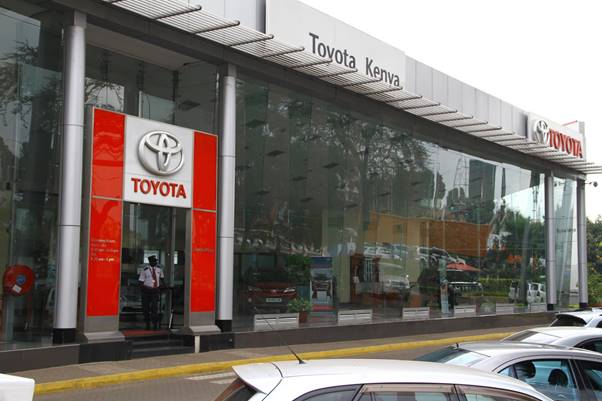
If you’ve been shopping for a car recently, you’ve probably noticed something alarming.
The same vehicle that sold for KSh 1.2 million a few years ago may now cost KSh 1.6 million, KSh 2 million, or even more.
Whether you’re looking for a used Toyota, a family SUV, a pickup truck, or a fuel-efficient hybrid, prices across the Kenyan automotive market continue to rise.
But why is this happening?
Is it because dealers are becoming greedy?
Is it because demand is increasing?
Or is there something much bigger happening behind the scenes?
Today on Kenya Wednesday, we’re uncovering the real reasons why buying a car in Kenya has become more expensive than ever before.
The Exchange Rate Is Hitting Car Buyers Hard
One of the biggest reasons vehicle prices have increased is the value of the Kenyan shilling against major international currencies.
Most vehicles imported into Kenya are purchased using foreign currencies such as the Japanese Yen, US Dollar, or British Pound.
When the Kenyan shilling weakens, importers must spend more money to purchase the same vehicle.
That extra cost eventually reaches the buyer.
Even a small change in exchange rates can add hundreds of thousands of shillings to the final selling price of a vehicle.
What This Means for Buyers
A car that appears affordable overseas can become significantly more expensive once exchange rates are factored in.
Taxes Continue to Affect Vehicle Costs
Taxes play a major role in determining vehicle prices in Kenya.
Before an imported vehicle reaches the showroom, several charges may apply, including:
- Import Duty
- Excise Duty
- VAT
- Import Declaration Fees
- Railway Development Levy
Each of these charges increases the overall cost of the vehicle.
While taxes help fund national development, they also make vehicle ownership more expensive for ordinary Kenyans.
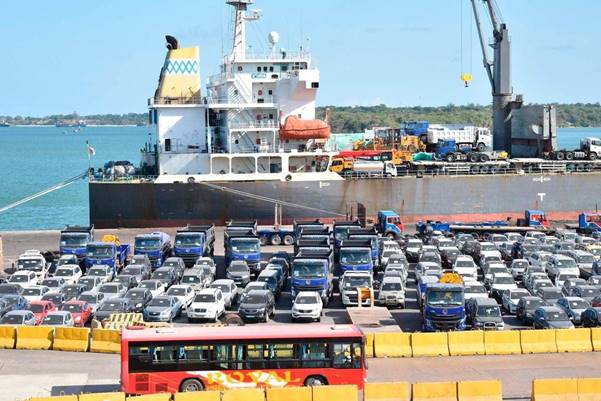
Caption: Vehicle import costs and taxes significantly influence the final price paid by buyers.
Demand for Reliable Used Cars Is Higher Than Ever
Certain vehicles have developed legendary reputations on Kenyan roads.
Models known for reliability, fuel economy, affordable maintenance, and spare parts availability often sell quickly.
As demand increases, prices naturally rise.
Popular choices include:
- Toyota Fielder
- Toyota Axio
- Toyota Premio
- Toyota Harrier
- Mazda Demio
- Nissan X-Trail
Many buyers are competing for the same models, pushing prices upward year after year.
Rising Fuel Prices Are Changing Buying Habits
Fuel costs continue to influence vehicle purchasing decisions.
As petrol prices fluctuate, buyers are increasingly looking for:
- Fuel-efficient vehicles
- Hybrid vehicles
- Smaller engine capacities
- Low-maintenance cars
This shift has increased demand for hybrids, especially among drivers in Nairobi and other major urban centers.
Vehicles that save fuel often command higher prices because buyers see them as long-term investments.
The Hybrid Revolution Has Arrived
A few years ago, hybrid vehicles were relatively uncommon in Kenya.
Today, they’re everywhere.
Many drivers are choosing hybrids because they offer:
- Lower fuel consumption
- Reduced emissions
- Smooth driving experience
- Lower running costs
As more Kenyans seek ways to reduce fuel expenses, hybrid demand continues to rise.
The result?
Higher prices for popular hybrid models.
Hybrid vehicles are becoming increasingly popular among Kenyan motorists looking to save on fuel.
Spare Parts and Maintenance Costs Matter More Than Ever
Today’s buyers aren’t only looking at the purchase price.
They’re asking:
- How much does servicing cost?
- Are spare parts available?
- Can local mechanics repair it?
- How much fuel will it consume?
Vehicles with affordable maintenance and readily available spare parts continue to dominate the market.
This explains why some models maintain strong resale values even after years of ownership.
Should You Buy Now or Wait?
This is the question many prospective buyers are asking.
The truth is nobody can accurately predict future vehicle prices.
However, several factors suggest that prices are unlikely to fall dramatically anytime soon:
- Continued demand for reliable vehicles
- Growing interest in hybrids
- Import-related costs
- Global automotive market changes
- Currency fluctuations
Waiting may not necessarily result in better deals.
Instead, buyers should focus on finding the right vehicle that meets their needs and budget.
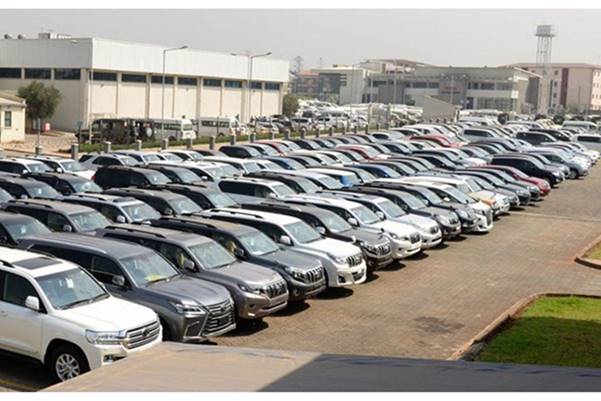
Buyers should focus on long-term value rather than trying to perfectly time the market.
Final Thoughts
The rising cost of vehicles in Kenya is not caused by a single factor.
It’s the result of exchange rates, taxes, fuel costs, import expenses, growing demand, and changing consumer preferences.
While these challenges make car ownership more expensive, they also highlight the importance of making informed purchasing decisions.
The smartest buyers are not necessarily those who spend the least money.
They’re the ones who choose vehicles that deliver reliability, efficiency, affordability, and long-term value.
As Kenya’s automotive market continues evolving, staying informed will be more important than ever.
That’s why TorqueSavvy remains committed to bringing you the latest automotive news, insights, reviews, and expert advice every Kenya Wednesday.
Question of the Week
Do you think vehicle prices in Kenya will continue rising, or are we heading toward a more affordable automotive market?
Share your thoughts in the comments below.
