

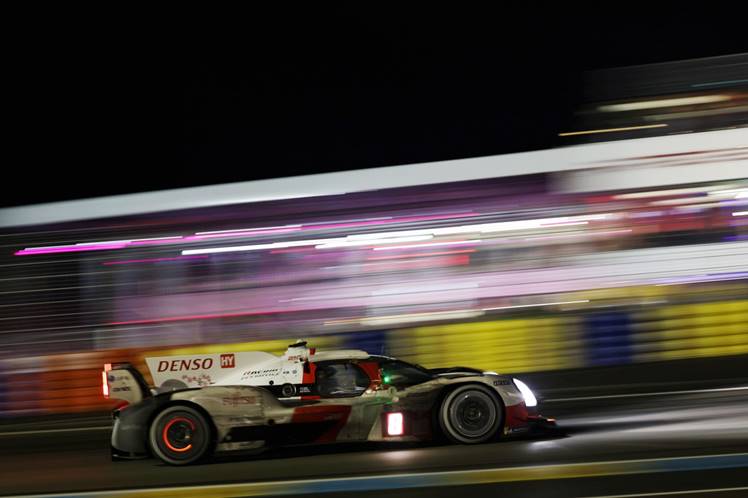
If you’ve ever stood next to a race track when a naturally aspirated engine screamed past at 18,000 RPM, you know one thing:
The sound wasn’t just noise.
It was an experience.
It rattled your chest, shook the grandstands, and sent goosebumps down your spine. Whether it was a Formula 1 V10, a screaming V12 endurance racer, or a naturally aspirated rally monster bouncing through a forest stage, those engines created memories that still live in the minds of motorsport fans around the world.
Today, racing technology is faster, smarter, and more efficient than ever.
But many fans are asking one question:
Have we lost the soul of motorsport?
When Racing Engines Ruled the World
There was a time when race engineers had one goal:
Build the fastest machine possible.
Fuel economy didn’t matter.
Emissions didn’t matter.
The only thing that mattered was speed.
Formula 1 produced legendary V10 and V12 engines capable of reaching astonishing RPM levels.
The result?
A soundtrack that became one of the defining sounds of modern motorsport.
Fans could identify teams simply by listening to the engine note from across the circuit.
That era created legends.
And legends create lifelong fans.
Why Racing Changed Forever
Motorsport today faces challenges that previous generations never had to consider.
Manufacturers now focus on:
- Sustainability
- Fuel efficiency
- Hybrid technology
- Energy recovery systems
- Lower emissions
- Road-car relevance
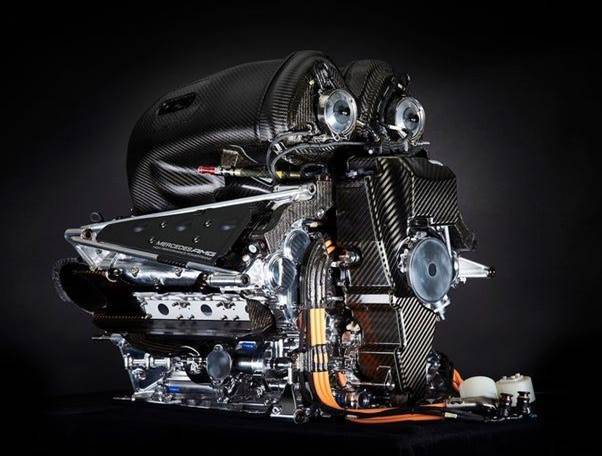
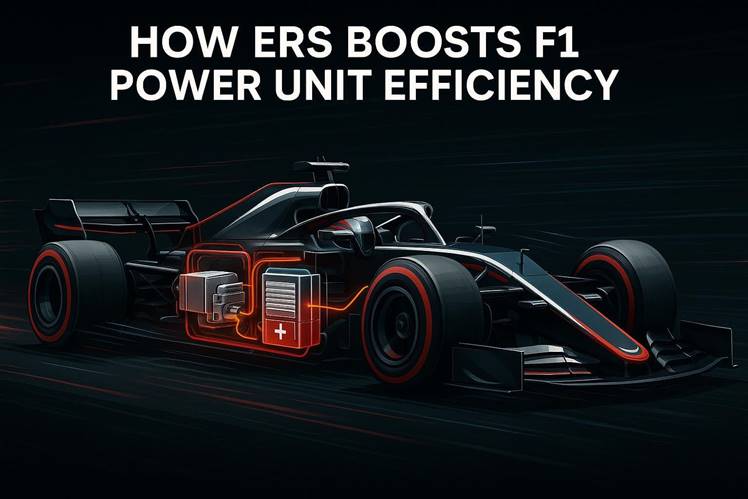
As a result, racing series around the world began adopting turbocharged and hybrid powertrains.
The technology is incredible.
Modern Formula 1 cars are among the fastest racing machines ever built.
Yet something changed.
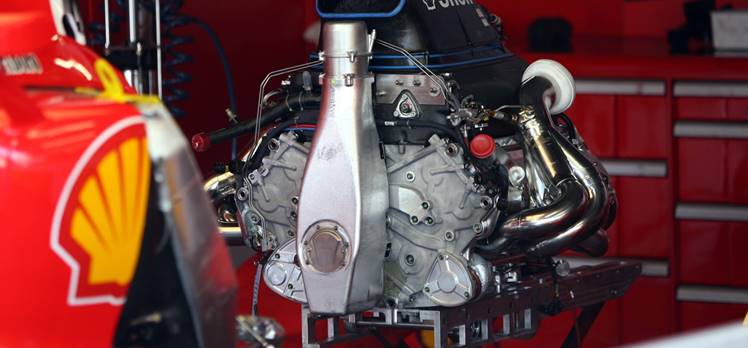
The deafening roar was replaced by a more muted, technical sound.
The speed increased.
The emotion became debatable.
The Great Debate Among Motorsport Fans
Visit any racing forum or social media page and you’ll find the same argument.
One side says:
“Modern racing technology is incredible. The cars are faster, smarter, and more advanced than ever.”
The other side says:
“Yes, but they don’t sound like race cars anymore.”
And that’s the challenge.
Motorsport has always been about more than lap times.
It’s about emotion.
The smell of fuel.
The vibration of the grandstands.
The anticipation before the lights go out.
The sound.
Especially the sound.
Are We Becoming Too Fast for Our Own Good?
Modern racing cars are engineering masterpieces.
Advanced aerodynamics.
Artificial intelligence.
Hybrid systems.
Data analytics.
Energy recovery technology.
But many fans argue that racing is becoming so technically advanced that some of its raw character is disappearing.
The question isn’t whether modern race cars are better.
They are.
The question is whether they are more exciting.
And that answer depends entirely on who you ask.
Why the Sound Matters More Than You Think
Sound creates emotion.
Emotion creates memories.
Memories create fans.
Many people can still remember the first Formula 1 race they attended because of the noise.
Not the winner.
Not the lap time.
The sound.
When motorsport loses that emotional connection, attracting new fans becomes more difficult.
It’s one reason why many manufacturers are now exploring ways to make future performance cars feel more engaging despite increasing electrification.
The Electric Racing Revolution Is Coming
Formula E, electric GT racing, and battery-powered performance cars are rapidly improving.
Some industry experts believe electric motorsport will eventually become the dominant form of racing.
Others believe combustion engines will survive in niche categories for decades.
Either way, the next generation of motorsport fans may grow up with a completely different definition of what a race car should sound like.
For them, silence might become normal.
For today’s enthusiasts, that’s a difficult idea to accept.
Final Lap
Motorsport has always evolved.
From front-engine race cars to mid-engine machines.
From manual gearboxes to paddle shifters.
From naturally aspirated engines to hybrid powertrains.
Change is inevitable.
But one thing remains true:
The greatest racing machines don’t just win races.
They make people feel something.
And for millions of fans around the world, nothing has ever matched the spine-tingling scream of a naturally aspirated racing engine at full throttle.
The technology may be moving forward.
But the memories of those sounds will never fade.
What do you think?
Would you trade the sound of a V10 Formula 1 engine for the speed and efficiency of modern hybrid race cars?
Let us know in the comments below.
