


Estimated Reading Time: 4 Minutes
Electric vehicles are becoming more common every year, but one challenge continues to concern many drivers—battery performance. Limited range, long charging times, and battery lifespan remain key issues.
Now, a new technology known as solid-state batteries promises to solve many of these problems and could redefine the future of electric mobility.

A futuristic electric vehicle charging beside a modern charging station at sunset, with a sleek city skyline and advanced technology-inspired lighting in the background.
What Are Solid-State Batteries?
Unlike today’s lithium-ion batteries, solid-state batteries use a solid electrolyte instead of a liquid one.
This new design offers several advantages:
- Longer driving range.
- Faster charging.
- Improved safety.
- Higher energy density.
- Longer battery lifespan.
These benefits could make electric vehicles more practical for everyday drivers.
Why Are Manufacturers Investing in Them?
Several major automakers are investing billions of dollars in solid-state battery research.
Companies believe this technology could significantly reduce charging times while increasing the distance drivers can travel on a single charge.
Some manufacturers are targeting charging times of under 15 minutes and ranges exceeding 1,000 kilometres.
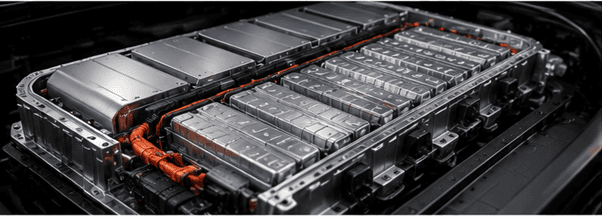
A close-up of an advanced electric vehicle battery pack inside a modern EV, highlighting futuristic engineering and clean design.
The Impact on the Global Car Industry
If solid-state batteries become commercially viable, they could accelerate the global shift from petrol and diesel vehicles to electric mobility.
Benefits could include:
- Lower running costs.
- Increased consumer confidence.
- Reduced emissions.
- More affordable electric vehicles over time.
- Greater adoption of renewable energy transportation.
This technology may become one of the biggest automotive breakthroughs of the decade.
What Could This Mean for Kenya?
Although electric vehicle adoption in Kenya is still growing, better battery technology could make EV ownership far more attractive.
Longer driving ranges and faster charging would make electric cars more practical for daily commuting and long-distance travel.
As charging infrastructure continues to expand, improved battery technology could encourage more Kenyan motorists to consider switching to electric vehicles.
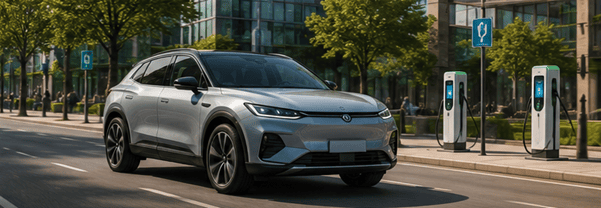
A modern electric SUV driving through a clean urban environment with public charging stations visible nearby.
When Can We Expect Them?
While some manufacturers have announced ambitious timelines, large-scale production of solid-state batteries is still being developed.
Industry experts expect the first wave of premium vehicles equipped with this technology to arrive before it gradually becomes available in more affordable models.
Until then, today’s lithium-ion batteries will continue to improve through ongoing research and innovation.
Final Thoughts
Solid-state batteries have the potential to transform electric vehicles by making them safer, faster to charge, and capable of travelling much farther on a single charge.
While the technology is still emerging, it’s one of the most exciting developments in the automotive industry and could shape the next generation of vehicles around the world.
The future of driving may arrive sooner than we think.

A convoy of futuristic electric vehicles travelling along a scenic coastal highway during golden hour, representing the future of sustainable mobility
🚗 Looking for a Clean Import or Quality Local Unit?
Buying your next car shouldn’t be a gamble.
Tell TorqueSavvy your budget, preferred make, model, and location, and we’ll connect you with our growing network of vetted dealers to help you find a clean import or a quality local unit that fits your needs.
👉 Start your vehicle search today by sending us a message.
🌍 Global News Sunday Question
Would you switch to an electric vehicle if it could travel over 1,000 km on a single charge and recharge in just 15 minutes? Tell us your thoughts in the comments and join the conversation!
