

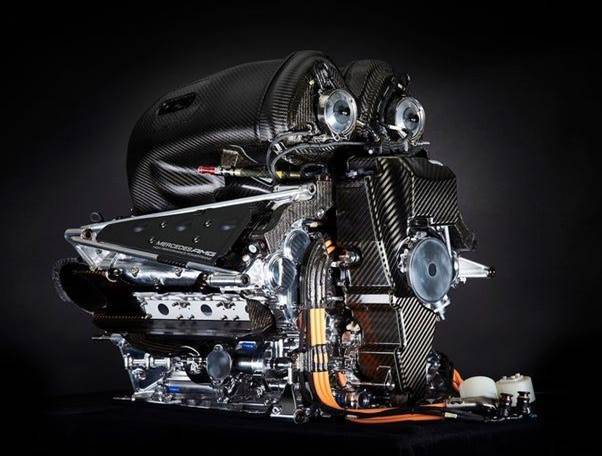
For decades, car enthusiasts have argued over one of the biggest questions in the automotive world:
Which is better?
Turbocharged engines or naturally aspirated engines?
Today, turbochargers can be found in everything from family sedans to supercars. Manufacturers love them because they deliver more power, improved fuel economy, and lower emissions.
Yet many enthusiasts continue to defend naturally aspirated engines with almost religious passion.
Why?
Because for many drivers, performance is about more than numbers.
It’s about feeling.
It’s about sound.
It’s about connection.
Welcome to this week’s Performance Friday.
What Is a Turbocharged Engine?
A turbocharger uses exhaust gases to force additional air into the engine.
More air means more fuel can be burned.
More fuel means more power.
This allows manufacturers to produce impressive performance from smaller engines.
A modern turbocharged four-cylinder engine can often match or exceed the power of older six-cylinder engines while using less fuel.
That’s one of the reasons turbocharging has become so popular.
What Is a Naturally Aspirated Engine?
A naturally aspirated engine relies solely on atmospheric pressure to draw air into the cylinders.
No turbocharger.
No supercharger.
Just pure engine performance.
Many enthusiasts appreciate naturally aspirated engines because of their simplicity and predictable power delivery.
The relationship between the driver’s right foot and the engine feels immediate and direct.
For some, that connection is impossible to replace.

Turbocharged and naturally aspirated engines deliver performance in very different ways.
The Power Advantage
When it comes to outright performance, turbocharged engines often have the upper hand.
Modern turbocharged engines can produce enormous amounts of torque, especially at lower engine speeds.
This creates strong acceleration and effortless overtaking power.
Benefits of turbocharged engines include:
- More horsepower from smaller engines
- Increased torque
- Better fuel efficiency
- Improved emissions performance
- Greater tuning potential
It’s no surprise that many modern sports cars rely heavily on turbocharging.
Why Enthusiasts Love Naturally Aspirated Engines
Despite the advantages of turbocharging, naturally aspirated engines continue to have a loyal fanbase.
The reason is simple.
Response.
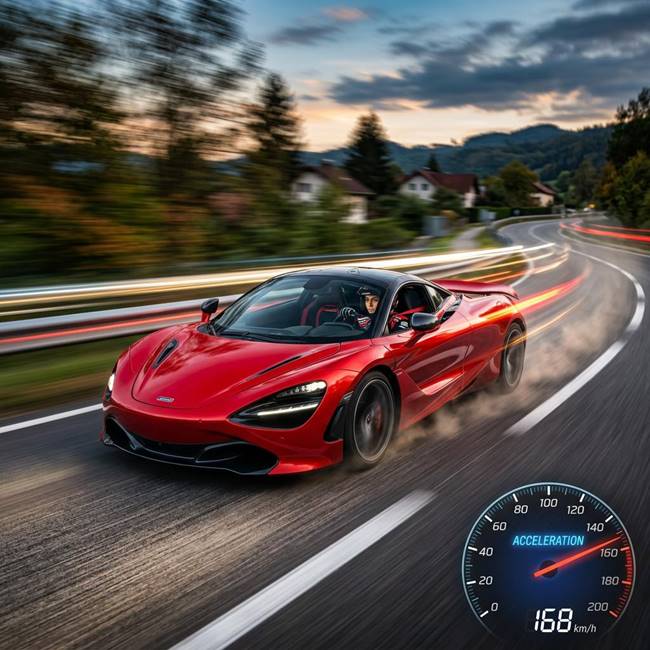
When you press the accelerator in a naturally aspirated car, power arrives instantly.
There is no waiting.
No boost build-up.
No delay.
The experience feels more natural and predictable.
Many drivers describe it as a stronger connection between man and machine.
The Sound Debate
This is where things become emotional.
Engine sound matters.
A lot.
Naturally aspirated engines often produce some of the most memorable sounds in automotive history.
High-revving V8s.
Screaming V10s.
Exotic V12s.
These engines create a soundtrack that enthusiasts never forget.
Turbochargers, while incredibly effective, can sometimes reduce some of that raw character.
The result is often a quieter and more controlled sound.
Whether that’s good or bad depends on personal preference.
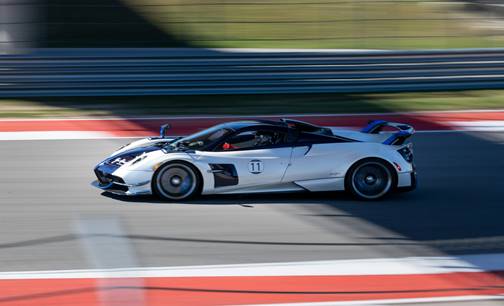
Engine sound remains one of the biggest reasons enthusiasts love naturally aspirated performance cars.
Fuel Economy and Everyday Driving
For everyday drivers, turbocharged engines offer clear advantages.
Smaller turbocharged engines can provide:
- Better fuel efficiency
- Lower emissions
- Strong low-speed torque
- Easier daily driving
This makes them attractive for manufacturers trying to balance performance with environmental regulations.
As fuel economy standards become stricter worldwide, turbocharging has become increasingly important.
Which Is More Fun?
Now we arrive at the most important question.
Which is more fun?
There is no universal answer.
If you enjoy effortless acceleration and huge torque, you’ll probably prefer a turbocharged engine.
If you value throttle response, engine sound, and driver engagement, a naturally aspirated engine may feel more rewarding.
Performance isn’t just measured by horsepower figures.
Sometimes the most enjoyable cars aren’t the fastest.
They’re the ones that make you smile every time you drive them.
The Future of Performance
The reality is that naturally aspirated engines are becoming increasingly rare.
Stricter emissions regulations and efficiency requirements have pushed manufacturers toward turbocharging, hybrid systems, and electrification.
While naturally aspirated engines still exist, they are no longer the industry standard.
This makes them even more special to enthusiasts.
Many believe we’re witnessing the final golden years of naturally aspirated performance.

The future of performance may be turbocharged and electrified, but enthusiasts still celebrate naturally aspirated engines.
Final Verdict
Turbocharged engines win on efficiency, torque, and modern performance.
Naturally aspirated engines win on sound, response, and driver engagement.
Neither is objectively perfect.
Both offer unique experiences.
And that’s what makes this debate so fascinating.
As automotive technology continues evolving, one thing remains certain:
Enthusiasts will continue arguing about turbocharged versus naturally aspirated engines for years to come.
Performance Friday Question
If you could choose one for your dream car, would you pick a turbocharged engine or a naturally aspirated engine?
Tell us why in the comments below.
