

⏱️ Reading Time: 7 Minutes
📖 At a Glance
Best For: Kenyan car buyers, performance enthusiasts, SUV and 4×4 owners, first-time car buyers, and anyone trying to understand engine specifications before buying a vehicle.
Key Takeaway: Horsepower and torque measure different aspects of engine performance. Torque affects how strongly a vehicle can pull and accelerate from lower speeds, while horsepower represents the engine’s ability to sustain performance as speed increases. For many Kenyan drivers, torque can be particularly useful in everyday driving—but the right balance depends on your vehicle and lifestyle.
🔑 Key Takeaways
- Horsepower and torque are not the same thing.
- Torque is especially useful when moving a heavy vehicle or accelerating from low speeds.
- Horsepower becomes more noticeable as speed increases.
- Turbocharged engines can produce strong torque from relatively small engine sizes.
- SUVs and 4x4s often benefit from strong low-end torque.
- City driving, highway driving, towing, and off-road use require different performance characteristics.
- Kenyan buyers should consider the entire vehicle, not just one engine specification.

🏎️ Horsepower vs Torque: Let’s Settle the Debate
Walk into a car dealership or browse an imported vehicle online and you’ll quickly encounter numbers.
150 horsepower.
300 Nm of torque.
250 horsepower.
500 Nm of torque.
But what do these numbers actually mean?
And more importantly:
Which one should you care about when buying a car in Kenya?
The answer isn’t as simple as saying one is better than the other.
Horsepower and torque work together.
Understanding the difference, however, can help you choose a car that actually suits your driving needs.

💪 What Is Torque?
Let’s start with torque.
In simple terms, torque is the twisting force produced by an engine.
Think of it as the force that helps the engine turn the wheels.
This is why torque is particularly important when:
- Moving a heavy vehicle.
- Accelerating from a stop.
- Climbing hills.
- Carrying passengers.
- Towing.
- Driving off-road.
Imagine you’re driving a large SUV with five passengers and luggage.
Strong torque can make the vehicle feel more effortless when getting moving.
This is one reason diesel engines have historically been popular for SUVs, pickups, and commercial vehicles.
They often produce strong torque at relatively low engine speeds.
🇰🇪 Why Torque Matters on Kenyan Roads
Kenya has a wide variety of driving environments.
You might spend Monday navigating Nairobi traffic.
On Tuesday, you could be driving upcountry.
On another trip, you might find yourself on a steep road, a rough dirt track, or a long highway journey.
In these situations, strong torque can be useful.
It can help a vehicle feel responsive without requiring the driver to constantly rev the engine.
For people who regularly drive SUVs, pickups, or heavily loaded vehicles, torque can be particularly valuable.
🚀 What Is Horsepower?
Horsepower is a measure of how quickly an engine can perform work.
Without getting buried in complicated engineering formulas, you can think of horsepower as being closely connected to an engine’s ability to maintain strong performance as speed increases.
This is why high-performance cars often have impressive horsepower figures.
A vehicle with high horsepower can potentially deliver strong acceleration at higher speeds, assuming the rest of the drivetrain and vehicle setup can make use of that power.
This is where sports cars and performance vehicles begin to separate themselves from ordinary commuter cars.
⚡ So Which One Is More Important?
Here’s the answer:
It depends on how you drive.
If you drive mostly in Nairobi traffic:
Torque can be more noticeable.
You want responsive acceleration from low speeds and smooth movement through traffic.
If you drive long highway distances:
Horsepower becomes more relevant.
You may appreciate the ability to accelerate confidently at higher speeds.
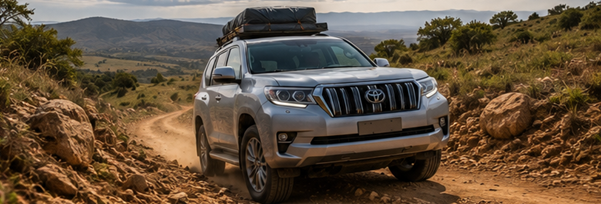
If you drive an SUV or 4×4:
Torque is particularly valuable.
Especially when carrying passengers, climbing steep terrain, or driving on rough surfaces.
If you drive a sports car:
You probably want both.
Performance cars are designed to combine strong torque with high horsepower.
🌀 Turbocharging Changes the Conversation
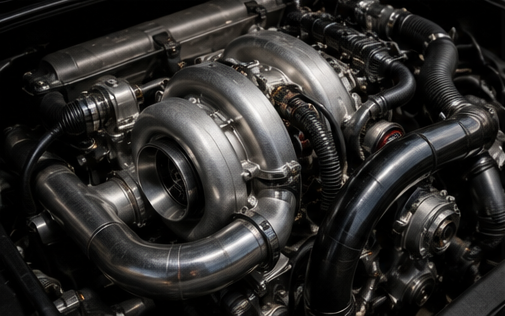
Modern turbocharged engines have changed the way we think about engine size.
A smaller turbocharged engine can produce impressive torque and horsepower without needing a huge engine displacement.
For example, a modern 1.5-litre or 2.0-litre turbocharged engine may deliver performance that would have required a much larger naturally aspirated engine in the past.
This is important for Kenyan buyers.
A smaller turbocharged engine may offer an attractive balance between:
- Performance.
- Fuel efficiency.
- Engine size.
- Driving enjoyment.
However, turbocharged engines can also require proper maintenance.
Oil quality and service intervals matter.
A poorly maintained turbocharged engine can become expensive to repair.
🇰🇪 The Kenyan Buying Question: What Should You Choose?
Before choosing a vehicle based on horsepower or torque, ask yourself:
Where do I drive?
How many people do I carry?
Do I travel upcountry frequently?
Do I drive on rough roads?
Do I carry heavy loads?
Do I prioritise fuel economy?
Do I want performance or practicality?
These questions are more useful than simply chasing the biggest engine number.
A driver who spends most of their time in Nairobi may have very different needs from someone who regularly travels long distances across Kenya.
💡 TorqueSavvy Insight
One of the biggest mistakes Kenyan car buyers make is comparing vehicles based solely on engine size.
A 2.0-litre engine isn’t automatically better than a 1.5-litre engine.
A diesel isn’t automatically better than a petrol engine.
A turbocharged engine isn’t automatically more reliable.
And higher horsepower doesn’t automatically mean a better car.
You need to look at the complete package.
Consider:
- Power.
- Torque.
- Fuel economy.
- Transmission.
- Vehicle weight.
- Ground clearance.
- Reliability.
- Spare parts.
- Maintenance costs.
- Your actual driving environment.
The best engine is the one that fits your life.
🚨 Common Mistake to Avoid
Don’t buy a vehicle because the horsepower number looks impressive on paper.
A 400-horsepower car may sound exciting.
But if you spend most of your time sitting in Nairobi traffic, paying premium fuel costs, and struggling with expensive maintenance, you may eventually regret the decision.
Performance should improve your ownership experience—not become a financial burden.
🚗 Can You Daily Drive a High-Torque or High-Horsepower Car in Kenya?
| Vehicle Type | Best Performance Characteristic |
| Small City Car | Efficiency + Responsive Torque |
| Family Sedan | Balanced Power + Torque |
| SUV | Strong Torque |
| 4×4 | Strong Low-End Torque |
| Pickup | Strong Torque + Durability |
| Sports Car | High Horsepower + Torque |
| Performance SUV | High Horsepower + Strong Torque |
| Hybrid | Instant Electric Torque + Efficiency |
Overall TorqueSavvy Recommendation
For most Kenyan motorists: ⭐ A balanced engine
You don’t necessarily need the most powerful engine available.
You need an engine that provides enough performance while remaining affordable to fuel and maintain.
🇰🇪 Kenyan Buyer’s Verdict
Best for city driving: ⭐ Efficient turbocharged or hybrid powertrains
Best for SUVs: ⭐ Strong torque at lower engine speeds
Best for long-distance highway driving: ⭐ Balanced horsepower and torque
Best for off-road driving: ⭐ Strong low-end torque
Best for performance enthusiasts: ⭐ High horsepower combined with strong torque
Would TorqueSavvy Recommend Prioritising Horsepower or Torque?
⭐⭐⭐⭐⭐ Prioritise the characteristic that matches your driving.
For many Kenyan motorists, torque is likely to be more useful in everyday situations than chasing a huge horsepower figure.
But the best vehicle combines the two with good fuel economy, reliability, and practical ownership costs.
🔧 TorqueSavvy Practical Tip
When comparing two vehicles, don’t stop at the horsepower number.
Check:
- Maximum horsepower.
- Maximum torque.
- RPM where maximum torque is produced.
- Vehicle weight.
- Transmission type.
- Fuel economy.
A lighter vehicle with less horsepower can sometimes feel quicker than a heavier vehicle with more power.
That’s why the numbers should always be considered together.
🤔 Did You Know?
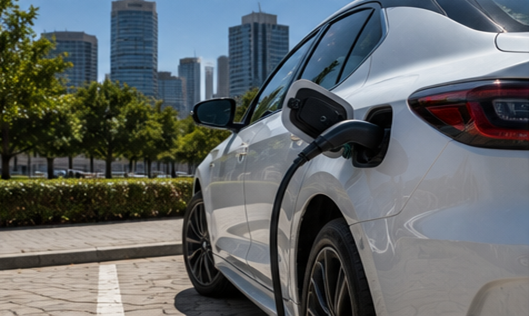
Electric vehicles have changed the traditional horsepower-versus-torque conversation.
Electric motors can deliver significant torque almost immediately, which is one reason many electric vehicles feel so responsive when accelerating from a standstill.
As electric and hybrid vehicles become more common, Kenyan motorists may increasingly experience a different kind of performance.
⭐ The Bottom Line
Horsepower gets the headlines.
Torque gets the car moving.
But neither number tells the complete story.
The best vehicle for you depends on how you drive, where you drive, and what you expect from your car.
For a Kenyan family navigating daily traffic, a balanced engine with good torque and fuel economy may be the smarter choice.
For someone travelling rough roads, strong low-end torque can be incredibly valuable.
For a performance enthusiast, horsepower and torque together create the excitement that makes driving special.
The smartest car buyer isn’t the one who chooses the biggest number.
It’s the one who understands what those numbers mean.
🚗 TorqueSavvy CTA
Looking for a Clean Import or Quality Local Unit?
Finding the right car doesn’t have to be stressful.
Tell TorqueSavvy your budget, preferred make, model, and location, and our growing network of vetted dealers can help you source a clean import or quality local unit that matches your needs.
👉 Start your vehicle search today.
💬 Performance Friday Question
If you had to choose between two cars with the same price, would you pick the one with more horsepower or the one with more torque—and why?
Tell us in the comments and let’s help other Kenyan motorists make smarter car-buying decisions.
