

Estimated Reading Time: 4 Minutes
Owning a car doesn’t have to mean spending a fortune on repairs. In fact, many of the most expensive mechanical failures start as small problems that could have been prevented with a few simple maintenance habits.
Whether you drive a compact hatchback, an SUV, or a pickup, taking a few minutes each week to inspect your vehicle can save you thousands of shillings in the long run. Here are seven maintenance habits every driver should adopt.

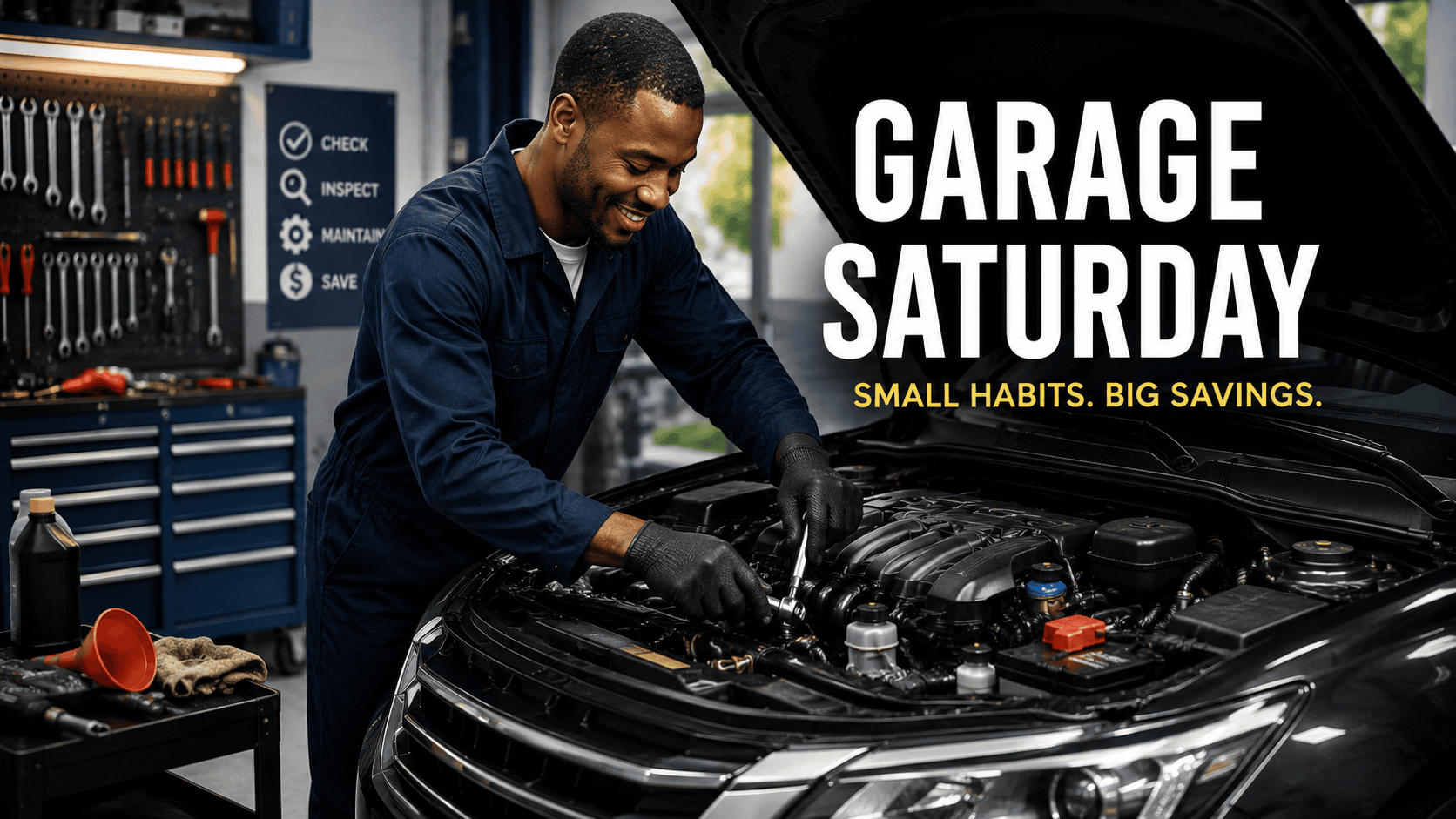
A professional mechanic inspecting a modern SUV inside a clean, well-equipped workshop with tools neatly organized in the background.
1. Check Your Engine Oil Regularly
Your engine oil lubricates moving parts, reduces friction, and helps keep the engine cool. Driving with low or dirty oil can cause severe engine damage.
Check your oil level at least once a month or before long trips, and always follow the manufacturer’s recommended service intervals.
2. Keep an Eye on Tyre Pressure
Incorrect tyre pressure affects fuel economy, tyre life, and braking performance.
Underinflated tyres wear out faster and increase fuel consumption, while overinflated tyres reduce grip and make the ride less comfortable.
A quick pressure check every two weeks can make a noticeable difference.
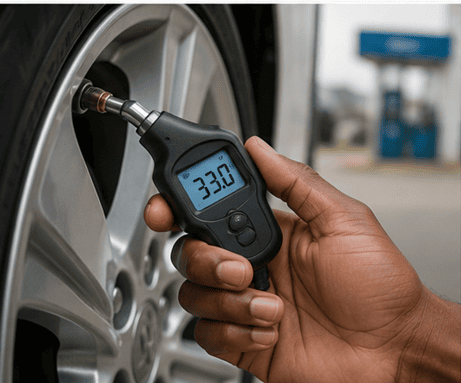
A driver using a digital tyre pressure gauge to check the pressure of a vehicle tyre at a service station.
3. Don’t Ignore Warning Lights
That small warning light on your dashboard could be your car’s way of preventing a much bigger problem.
If the check engine light, oil pressure warning, or battery light comes on, have the vehicle inspected as soon as possible rather than waiting for the problem to worsen.
4. Replace Worn Wiper Blades
Good visibility is essential, especially during Kenya’s rainy seasons.
If your wipers leave streaks, skip across the windscreen, or make excessive noise, it’s time to replace them.
It’s a small expense that greatly improves driving safety.
5. Keep Your Battery Clean
Corrosion around the battery terminals can affect starting performance and reduce battery life.
Inspect the terminals regularly and ensure they’re clean and securely connected.
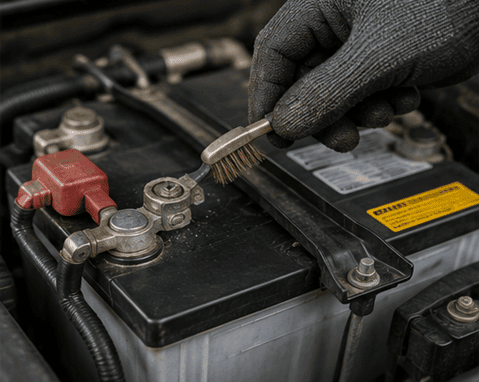
A close-up of a mechanic cleaning a car battery terminal with protective gloves and proper tools.
6. Listen to Your Car
Cars often give warning signs before something fails.
Unusual knocking sounds, squealing brakes, vibrations, or sudden changes in performance shouldn’t be ignored.
Addressing these issues early is usually much cheaper than waiting for a major breakdown.
7. Stick to Your Service Schedule
Routine servicing is one of the best investments you can make in your vehicle.
Replacing filters, changing fluids, and inspecting key components on time helps improve reliability, fuel economy, and resale value.
Skipping services may save money today, but it often leads to expensive repairs later.
Final Thoughts
Looking after your car doesn’t require expert mechanical knowledge—just consistency.
By adopting these seven simple habits, you’ll reduce the risk of unexpected breakdowns, improve your vehicle’s reliability, and save money over time.
Remember, preventative maintenance is always cheaper than major repairs.

A well-maintained family SUV driving confidently on a scenic Kenyan highway during golden hour, symbolizing reliability and peace of mind.
🚗 Looking for a Clean Import or Quality Local Unit?
Buying your next car shouldn’t be a gamble.
Tell TorqueSavvy your budget, preferred make, model, and location, and we’ll connect you with our growing network of vetted dealers to help you find a clean import or a quality local unit that fits your needs.
👉 Start your vehicle search today by sending us a message.
🔧 Garage Saturday Question
What’s the best car maintenance tip you’ve ever learned that has saved you money or prevented a major repair? Share it in the comments and help fellow motorists keep their vehicles running at their best!
