


Walk through almost any car yard in Kenya and you’ll notice one thing immediately—Japanese imports dominate the market.
From the dependable Toyota Fielder to the stylish Mazda CX-5 and the capable Subaru Forester, imported vehicles have earned a reputation for quality, reliability, and value for money.
But here’s a reality many first-time buyers discover too late:
Not all Japanese imports are affordable to own.
Two vehicles may have the same purchase price, yet one could cost hundreds of thousands of shillings more to maintain over the next five years.
The difference isn’t always the badge on the bonnet. It’s what lies beneath the surface.
This guide explores the hidden costs that many buyers overlook—and how you can avoid making an expensive mistake.
The Biggest Mistake Kenyan Buyers Make
Most buyers compare:
- Purchase price
- Mileage
- Model year
- Exterior condition
Very few ask the questions that matter in the long run:
- Are spare parts readily available?
- Does this engine have known reliability issues?
- Can any qualified mechanic service it?
- How expensive are routine maintenance items?
- Is this model known for recurring faults?
These are the questions that determine the true cost of ownership.
Toyota: The Benchmark for Affordable Ownership
There’s a reason Toyota remains one of the most trusted brands in Kenya.
Models like the Fielder, Premio, Axio, Harrier, Prado, and Hilux benefit from widespread parts availability and a large network of experienced mechanics.
Routine servicing is straightforward, and replacement components are generally easier to source than those for many competitors.
That doesn’t make every Toyota cheap to maintain—but it does reduce the likelihood of unexpected ownership headaches.
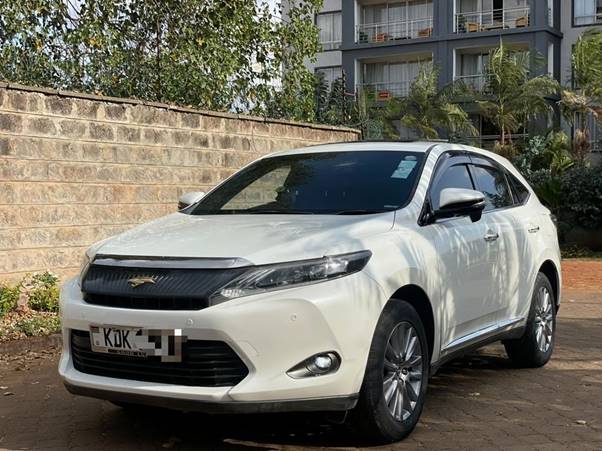
Toyota’s popularity in Kenya translates into better parts availability and broader servicing expertise.
Subaru: Outstanding Capability, Higher Running Costs
Subaru has built a loyal following thanks to its all-wheel-drive systems and enjoyable driving dynamics.
However, some models require more specialised maintenance.
Turbocharged engines demand high-quality oil, timely servicing, and careful driving habits.
Ignoring maintenance schedules can lead to costly repairs.
Prospective buyers should also budget for suspension components and drivetrain servicing, especially on higher-mileage examples.

Mazda: Stylish, Efficient—and Often Underrated
Modern Mazdas have earned praise for fuel efficiency, attractive styling, and refined driving characteristics.
Many models deliver excellent reliability when properly maintained.
However, buyers should confirm the availability and pricing of certain body panels, electronics, and trim components before purchasing, as these may not be as common as equivalent Toyota parts.
Nissan: Great Value If You Choose Carefully
Nissan offers excellent value across many segments.
Models like the X-Trail, Note, and Navara continue to attract buyers seeking practicality.
However, researching the specific engine and transmission fitted to your chosen model is essential.
Maintenance history is often more important than the badge itself.
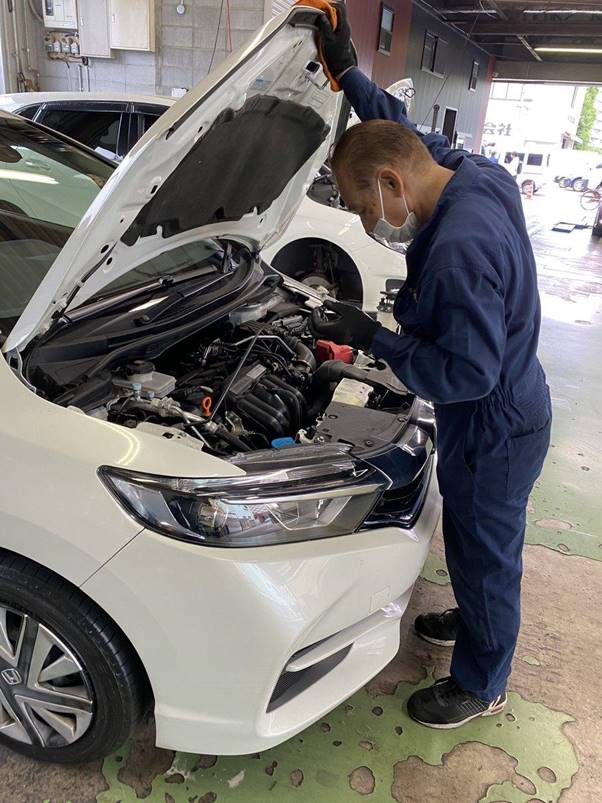
A thorough inspection and a good maintenance history matter more than a polished exterior.
Hidden Costs Buyers Often Forget
When calculating your budget, don’t stop at the purchase price.
Remember to include:
- Insurance premiums
- Comprehensive inspection
- Registration and transfer costs
- Routine servicing
- Tyres
- Brake components
- Battery replacement
- Suspension wear
- Fuel consumption
- Emergency repair fund
A car that appears cheaper upfront may become significantly more expensive over time.
Before You Buy: Ask These Five Questions
Before committing to any Japanese import, ask:
- Can I easily find genuine and quality aftermarket parts?
- Is there a trusted mechanic experienced with this model?
- Does this vehicle have a complete service history?
- Are there any common faults for this engine or transmission?
- What will routine maintenance cost each year?
If the seller cannot answer these questions—or refuses an independent inspection—consider it a warning sign.
Photo Placement 3
Caption: A professional pre-purchase inspection can save you from expensive surprises.
TorqueSavvy’s Verdict
Buying a Japanese import isn’t just about finding the lowest price.
It’s about choosing a vehicle that fits your lifestyle, budget, and long-term ownership expectations.
The smartest buyers look beyond mileage and glossy paintwork.
They research reliability, servicing costs, parts availability, and the reputation of the model they’re considering.
That extra effort can save you thousands of shillings—and years of frustration.
At TorqueSavvy, we believe informed buyers make better owners.
And that’s exactly why we create guides like this.
🚗 Looking for a Clean Import or Local Unit?
Finding the right car doesn’t have to be stressful.
Tell TorqueSavvy your budget, preferred make, model, and location, and our growing network of vetted dealers will help source a clean import or quality local unit that matches your needs.
👉 Start your vehicle search today.
Garage Saturday Question
If you were buying a Japanese import today, which factor would matter most to you?
- Reliability
- Fuel economy
- Maintenance costs
- Resale value
Tell us in the comments and let’s help other buyers make smarter decisions.
