


📖 At a Glance
Reading Time: 5 Minutes
Best For: New car buyers, used import buyers, technology enthusiasts, and drivers considering modern vehicles.
Key Takeaway: ADAS can make driving safer and more convenient, but Kenyan drivers need to understand what these systems can—and cannot—do in our unique driving environment.
🔑 Key Takeaways
- ADAS is becoming increasingly common in modern vehicles.
- Features include adaptive cruise control, lane-keeping assistance, automatic emergency braking, and blind-spot monitoring.
- These systems can be extremely useful, but they aren’t designed to replace an attentive driver.
- Kenyan road conditions can present unique challenges for some ADAS features.
- Buyers importing vehicles should understand exactly which technology their car has before paying a premium for it.
Imagine you’re driving along the Nairobi–Thika Superhighway during rush hour.
Traffic slows suddenly.
The vehicle ahead brakes.
Your car detects the danger and automatically applies the brakes before you can react.
That’s not science fiction anymore.
It’s ADAS—Advanced Driver Assistance Systems—and it’s becoming a normal part of modern motoring.
But here’s the question that matters to Kenyan drivers:
How useful are these systems on Kenyan roads?
🚗 What Exactly Is ADAS?
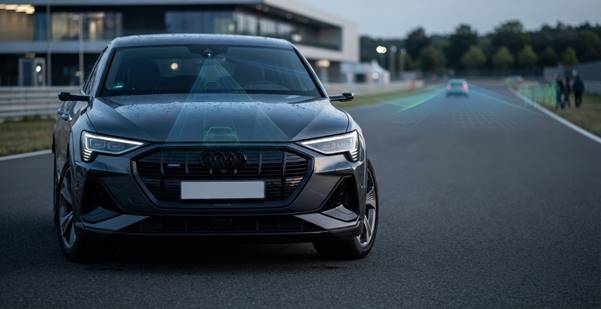
ADAS refers to a collection of technologies designed to help drivers avoid accidents, reduce fatigue, and improve safety.
Depending on the vehicle, you may find features such as:
- Automatic Emergency Braking
- Adaptive Cruise Control
- Lane Departure Warning
- Lane Keeping Assist
- Blind Spot Monitoring
- Rear Cross-Traffic Alert
- Traffic Sign Recognition
- Parking Assistance
- Driver Attention Monitoring
Some systems simply warn you.
Others can actively intervene by braking, steering, or adjusting the vehicle’s speed.
🇰🇪 Why This Matters for Kenyan Drivers
Here’s where things become interesting.
ADAS systems are often developed and tested in countries with highly predictable road environments.
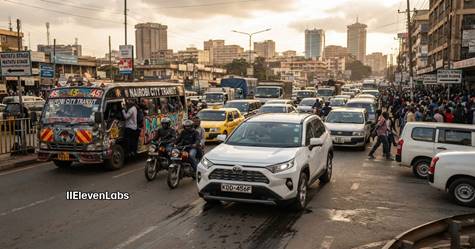
But Kenyan roads can be very different.
A vehicle may encounter:
- Motorcycles suddenly entering your lane.
- Pedestrians crossing unexpectedly.
- Matatus stopping without warning.
- Unmarked speed bumps.
- Faded lane markings.
- Potholes.
- Dust and mud covering road markings.
- Heavy rain.
- Animals crossing rural roads.
This doesn’t mean ADAS is useless.
Far from it.
It simply means that drivers need to understand the limitations of the technology.
🛣️ Adaptive Cruise Control: Great for the Highway
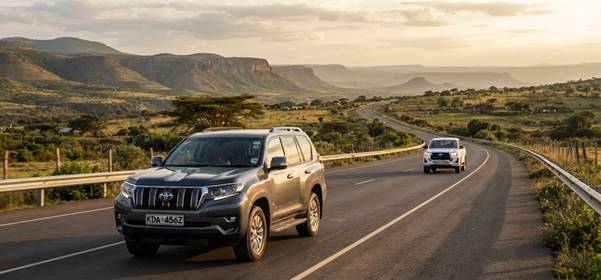
Adaptive Cruise Control automatically maintains a safe distance from the vehicle in front.
For long-distance journeys on well-marked highways, it can make driving much less tiring.
Imagine travelling from Nairobi to Nakuru.
Instead of constantly adjusting your speed as traffic changes, the system can automatically slow down and accelerate within its operating limits.
But there’s a catch.
Adaptive Cruise Control works best when the road markings and traffic conditions are predictable.
On busy urban roads where vehicles constantly cut into your lane, the system may not feel as useful.
TorqueSavvy Take:
Excellent for: Long highway journeys.
Less useful for: Heavy urban traffic and unpredictable driving conditions.
🚨 Automatic Emergency Braking: One of the Most Valuable Features
Automatic Emergency Braking can detect an imminent collision and apply the brakes if the driver doesn’t react quickly enough.
For a country where pedestrians, motorcycles, and vehicles can sometimes appear unexpectedly, this technology has significant potential.
However, the system is not perfect.
Different vehicles have different capabilities, and some systems may struggle with unusual obstacles, poor visibility, or objects that aren’t easily detected by their sensors.
The technology should therefore be treated as a second layer of protection, not a replacement for attentive driving.
👀 Blind Spot Monitoring: A Kenyan Driver’s Friend
This is one technology that can be particularly useful in busy traffic.
A small warning light can alert you when another vehicle is sitting in your blind spot.
For drivers navigating busy roads around Nairobi, Mombasa, or Kisumu, this extra layer of awareness can be extremely helpful.
However, always check your mirrors and surroundings before changing lanes.
Technology should assist your judgment—not replace it.
💡 TorqueSavvy Insight
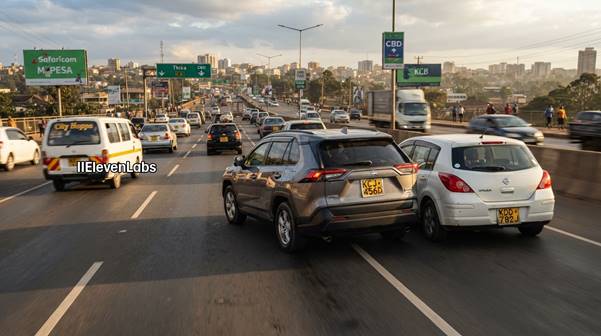
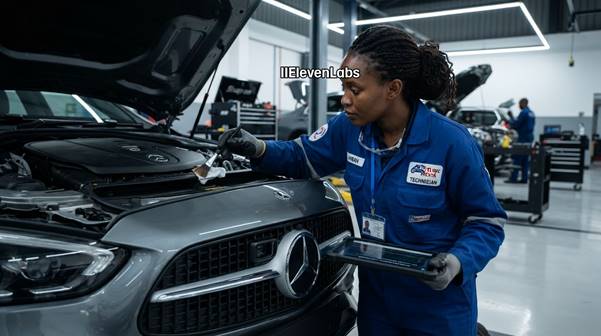
One mistake buyers make is assuming that every car advertised as having “ADAS” has the same technology.
It doesn’t.
A Japanese-market import may have different equipment from the same model sold in Europe or another market.
Before paying extra for a supposedly “high-tech” vehicle, check the exact specification and equipment list.
Don’t buy the badge.
Buy the technology you actually need.
🇰🇪 Can You Trust ADAS on Kenyan Roads?
The answer is:
Yes—but with common sense.
Think of ADAS as an extra pair of eyes and an additional layer of protection.
It can help you react faster.
It can reduce driver fatigue.
It can warn you about dangers you may have missed.
But it cannot understand every situation a Kenyan driver encounters.
A driver still needs to be alert.
🚨 Common Mistake to Avoid
Never assume that because a vehicle has automatic emergency braking or lane-keeping assistance, you can stop paying attention.
These are driver assistance systems.
They are not autonomous driving systems.
The driver remains responsible for controlling the vehicle.
💰 Should You Pay More for ADAS?
If you’re buying a newer vehicle, I believe ADAS is worth considering—but prioritize the features that are genuinely useful to your driving environment.
For example:
Highly useful:
- Automatic Emergency Braking
- Blind Spot Monitoring
- Rear Cross-Traffic Alert
- Driver Attention Monitoring
Useful depending on your driving:
- Adaptive Cruise Control
- Lane Keeping Assist
Nice to have:
- Advanced automated parking systems
Your driving habits should determine what technology you prioritize.
🇰🇪 Kenyan Buyer’s Verdict
Best ADAS feature for city driving: ⭐ Blind Spot Monitoring
Best for highway travel: ⭐ Adaptive Cruise Control
Best safety feature: ⭐ Automatic Emergency Braking
Best for busy urban roads: ⭐ Rear Cross-Traffic Alert
Most important consideration: ⭐ Understanding the system’s limitations
Would TorqueSavvy Recommend Buying a Car With ADAS?
⭐⭐⭐⭐⭐ Yes
But don’t buy ADAS simply because it sounds impressive.
Buy it because the technology fits your driving needs.
🚗 Can You Daily Drive an ADAS-Equipped Car in Kenya?
| Feature | Score |
| Nairobi Traffic | ⭐⭐⭐⭐☆ |
| Highway Driving | ⭐⭐⭐⭐⭐ |
| Long-Distance Travel | ⭐⭐⭐⭐⭐ |
| Heavy Rain | ⭐⭐⭐☆☆ |
| Poorly Marked Roads | ⭐⭐☆☆☆ |
| Busy Urban Roads | ⭐⭐⭐⭐☆ |
| Overall Usefulness | ⭐⭐⭐⭐☆ |
Overall Daily Driver Technology Score
8.5/10
🔧 TorqueSavvy Practical Tip
If you’re importing a modern vehicle, ask the dealer or exporter for the exact vehicle specification and ADAS equipment list.
Before buying, find out:
- Which sensors does the car use?
- Does it have radar?
- Does it use cameras?
- Are the sensors damaged?
- Has the windscreen been replaced?
- Has the vehicle been involved in an accident?
- Does the system require calibration?
A replacement windscreen or repaired bumper can sometimes affect sensor calibration.
A technologically advanced vehicle is only as good as the systems that are correctly maintained.
🤔 Did You Know?
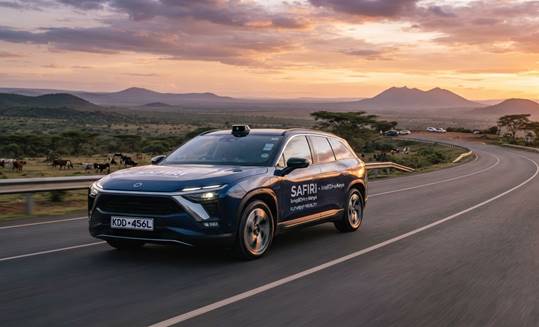
Some modern vehicles can combine cameras, radar, and ultrasonic sensors to create a detailed picture of what’s happening around the vehicle.
This combination allows the car to perform tasks such as detecting vehicles in blind spots, monitoring traffic ahead, and assisting with emergency braking.
⭐ The Bottom Line
ADAS is one of the most exciting developments in modern automotive technology.
For Kenyan drivers, the technology has enormous potential—but understanding its limitations is just as important as understanding its capabilities.
The best approach is simple:
Use technology to become a better driver, not to become a less attentive one.
As more advanced vehicles enter Kenya through imports and local dealerships, understanding ADAS will become increasingly important for buyers.
And that raises an even bigger question:
Are Kenyan drivers ready for the next generation of automotive technology?
🚗 Looking for a Clean Import or Quality Local Unit?
Finding the right car doesn’t have to be stressful.
Tell TorqueSavvy your budget, preferred make, model, and location, and our growing network of vetted dealers can help you source a clean import or quality local unit that matches your needs.
👉 Start your vehicle search today.
💬 Tech Tuesday Question
If you were buying your next car today, which technology would you prioritize: automatic emergency braking, adaptive cruise control, blind-spot monitoring, or a 360° parking camera?
Tell us in the comments and let’s help other Kenyan buyers make smarter decisions.
