

Reading Time– 4 minutes
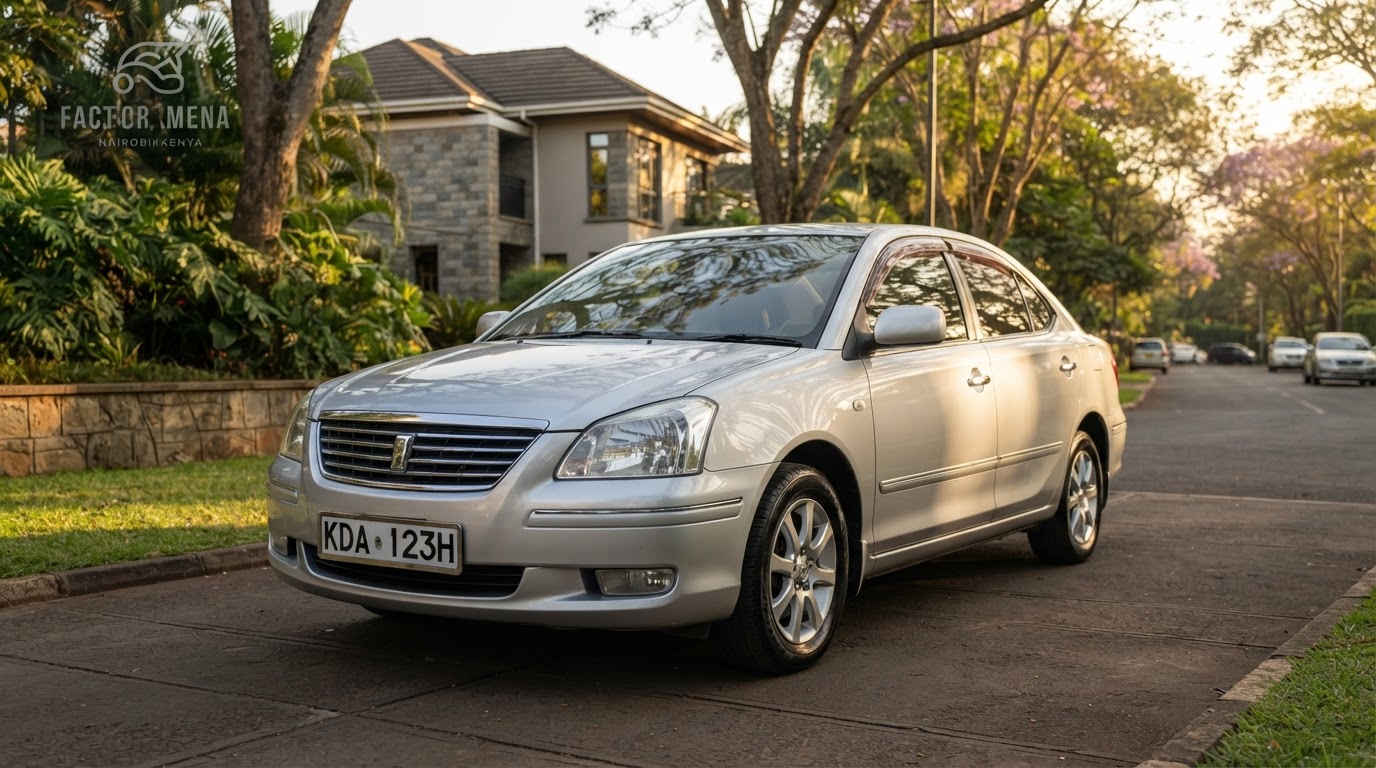
The Toyota Premio has quietly become one of the most trusted saloons for Nairobi drivers who want comfort, fuel economy, and easy maintenance without shouting for attention. Its balance of reliability, simple mechanicals, and good resale value makes it a near‑perfect “buy it, drive it, forget the drama” car in the Kenyan market. For many families and small business owners, it hits that sweet spot between modest image and serious practicality.
📖 At a Glance
- Engine options: 1.5L, 1.8L petrol (automatic)
- Typical Kenyan price range: KSh 900,000 – 1,600,000 (condition & year)
- Fuel economy: Approx. 13–16 km/l in mixed Nairobi driving
- Drive feel: Comfortable, soft, not sporty, but predictable
- Role: Family saloon, Uber/Bolt workhorse, office commuter, out‑of‑town cruiser
- Strength: Reliability, comfort, parts availability
- Weak point: Not exciting to drive, CVT gearbox can be sensitive if abused
🔑 Key Takeaways
- The Premio is a safe bet for anyone who wants a car that simply works, even with Nairobi’s traffic and occasional rough roads.
- Its fuel economy and parts availability keep monthly running costs surprisingly manageable, especially compared to German or luxury alternatives.
- While it won’t turn heads like a Mercedes or Subaru, it quietly delivers what matters: comfort, predictability, and resale value that doesn’t embarrass you when it’s time to upgrade.
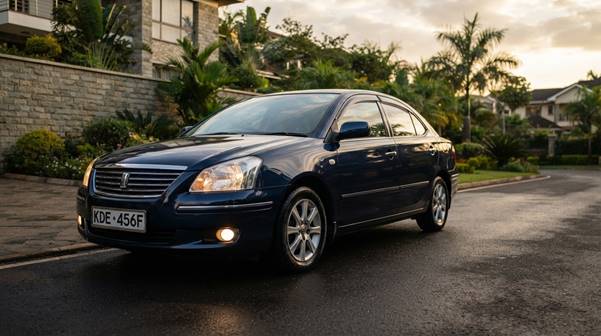
For many Kenyan buyers, especially in Nairobi, the car conversation starts with dreams—German badges, turbo engines, big screens. But when it comes time to sign the cheque, reality hits: fuel, parts, traffic, parking, and resale value all matter. This is where the Toyota Premio quietly takes over the conversation.
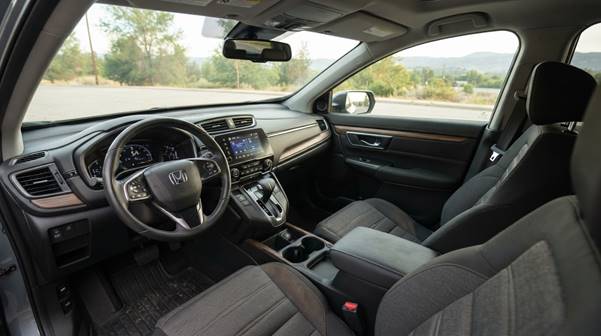
The Premio sits in that “middle‑class professional” space: not flashy enough to attract unnecessary attention, but refined enough that you don’t feel short‑changed when you sit inside. The cabin is simple, with soft seats and plain but functional plastics. You won’t get a crazy digital cockpit, but you will get good visibility, easy controls, and an interior that still feels respectable years after import.
On Nairobi roads, the Premio’s suspension tune is one of its biggest strengths. It soaks up potholes, speed bumps, and estate road imperfections with a soft, forgiving ride. You can drive from Rongai to Westlands, or from Syokimau to the CBD, and step out feeling fresher than you would in a stiffer, sport‑focused car. The steering is light, which makes it easy to maneuver in tight parking spots or crowded estates, but it’s not the car you buy for high‑speed thrills on Thika Road.
Under the bonnet, the engines are modest but dependable. The 1.5L and 1.8L petrol units have enough power for everyday use, especially if you’re mostly in town and doing occasional highway drives. They’re not performance engines, but they’re designed to be efficient and simple to maintain. Many Kenyan mechanics already know them well, and you won’t have to hunt for a specialist every time you need a service.
The transmission—often a CVT in newer models—is smooth and helps with fuel economy, but it needs proper care. Regular fluid changes and gentle driving habits make a big difference. Those who treat the Premio like a race car usually discover the limits of CVTs very quickly and painfully. For a careful driver, the setup can last a long time and deliver that quiet, effortless feel in traffic.
Inside, space is adequate for a young family or a typical Kenyan “office plus side‑hustle” lifestyle. The rear seats can comfortably handle three adults for short to medium trips, and the boot is enough for luggage, stock, or weekly shopping. It is not as big as some estate cars, but it rarely feels too small for ordinary use.
In short, the Premio doesn’t try to impress on paper—it impresses over time. It’s the kind of car you realize was a smart choice three years later when you’ve had minimal drama, predictable costs, and strong resale interest when you decide to move on. For TorqueSavvy readers who care more about practicality than show‑off value, this is a car worth serious consideration.

🇰🇪 Kenyan Context
In Kenya, the Toyota Premio has built its reputation on three things: fuel economy, reliability, and low drama. For Uber/Bolt drivers, small business owners, and salaried professionals, it offers a “plug‑and‑play” experience—no special knowledge required, just keep up with basic maintenance and it will serve.
Because it’s a Japanese import with a long track record, there is a mature ecosystem around it: spare parts from Industrial Area, Kirinyaga Road, and online sellers, plus countless garages that know exactly what they’re doing with Toyotas. This translates directly into lower downtime and fewer expensive surprises, which is a big deal in a market where many buyers are operating under tight budgets and uncertain economic conditions.
💡 TorqueSavvy Insight
If you’re coming from a smaller hatchback (like a Vitz) or an older Probox and you want to “step up” without over‑stretching your budget, the Premio is one of the smoothest upgrades you can make. You get better comfort, more presence on the road, and still keep your running costs firmly under control.
From a content and branding perspective, featuring the Premio on TorqueSavvy also appeals to a large segment of readers who are silently looking for confirmation that a “boring but sensible” choice is actually the smartest move. Your review is not just about the car; it’s about reassuring the everyday Kenyan driver that practicality is a valid flex.
💰 Cost of Ownership / Relevant Ratings
- Fuel economy: 13–16 km/l in mixed Nairobi driving with sensible habits.
- Routine service (oil, filters, minor checks): Typically KSh 6,000 – 10,000 per visit at a decent independent garage.
- Major service (plugs, fluids, belts, CVT fluid where applicable): Roughly KSh 20,000 – 40,000 depending on parts quality and garage.
- Insurance: Slightly higher than a small hatchback but reasonable compared to larger or premium cars.
- Depreciation: Gentle; well‑maintained units remain attractive in the used‑car market, so resale is usually not painful.
Overall Ownership Rating (TorqueSavvy): 8.8/10 – predictable, manageable costs if you maintain it properly.
🚨 Common Mistake to Avoid
Many Kenyan buyers assume “it’s a Toyota, so I don’t have to worry about maintenance.” That’s the quickest way to destroy the advantages of this car. Skipping CVT fluid changes, buying the cheapest possible spares, or delaying services will quietly shorten the life of your drivetrain.
If you buy a used Premio from Japan or locally, insist on a clear service history or be ready to do a proper “reset” service—fluids, filters, plugs, and a full inspection. It’s cheaper to spend on preventive maintenance than to meet the full cost of a neglected gearbox later.
🚗 Can You Daily Drive It in Kenya?
Absolutely, yes. The Premio is one of those cars that feels like it was accidentally tuned for Nairobi life: soft suspension for rough roads, quiet cabin for long traffic jams, and modest dimensions for squeezing into tight CBD or estate parking spots.
From Monday meetings in Upper Hill to weekend visits upcountry, it’s comfortable enough, economical enough, and durable enough to function as your primary car. It’s not the king of off‑road, but for typical tarmac and moderately rough murram, it holds its own as long as you drive with reasonable care.
🇰🇪 Kenyan Buyer’s Verdict
For the typical Kenyan buyer who wants one car to do almost everything—work, family, and small business—the Toyota Premio is a strong “yes.” It delivers more comfort and refinement than smaller budget cars while keeping ownership costs well below most European or performance options.
If your priorities are reliability, fuel economy, and peace of mind, this car sits near the top of the list. If your priority is pure excitement, you’ll find it too calm. TorqueSavvy’s verdict for the Kenyan market: Buy with confidence, but buy for practicality, not for flex.
🔧 TorqueSavvy Practical Tip
When test‑driving a used Premio:
- Drive it gently at first, then gradually add throttle to feel how the gearbox responds. Any jerks, slipping, or delayed response from the transmission are warning signs.
- Listen for knocking sounds over bumps, which can hint at worn suspension components. These are normally fixable but useful in negotiating the price.
- Use a mechanic you trust to scan for error codes and check basic items like engine compression, fluid condition, and any leaks before you pay.
🤔 Did You Know?
The Premio has quietly become one of the most popular choices for ride‑hailing and corporate fleets in Kenya, not because it’s exciting, but because spreadsheets love it: predictable service intervals, strong reliability records, and low fuel consumption over thousands of kilometers.
You’ll rarely see it featured in flashy adverts or influencer reels, yet in many Nairobi parking lots, it’s one of the most common unassuming “workhorses” doing its job day in, day out.
⭐ The Bottom Line
The Toyota Premio is the textbook example of a car that might bore you on paper but impress you in real life. For Kenyan conditions, it offers exactly what most people need: comfort, efficiency, easy maintenance, and resale value that doesn’t punish you.
If TorqueSavvy had to recommend one saloon for the everyday Kenyan driver who values peace of mind over noise and drama, the Premio would sit right near the top of the shortlist.
🚗 TorqueSavvy CTA
Thinking about buying a Toyota Premio or already own one? Share your experience with us and let TorqueSavvy help you decide your next move.
- Considering a specific unit? Request a TorqueSavvy Pre‑Purchase Checklist.
- Already driving a Premio? Send us your fuel and maintenance records, and we may feature your car in an upcoming Ownership Diary.
💬 Weekly Discussion Question
Would you choose a Toyota Premio over a German saloon (like a used C‑Class) for daily Nairobi driving if they were the same price? Why or why not?
