


Estimated Reading Time: 4 Minutes
The automotive industry is evolving faster than ever, and one of the biggest innovations shaping its future is the rise of Software-Defined Vehicles (SDVs). Unlike traditional cars, where features are fixed once they leave the factory, SDVs can receive software updates that improve performance, add new functions, and even enhance safety without the need for a visit to the dealership.
As more manufacturers embrace this technology, software is becoming just as important as horsepower. But what exactly is a software-defined vehicle, and why should drivers care?
What Is a Software-Defined Vehicle?
A Software-Defined Vehicle is a car whose core functions are managed by software rather than relying solely on mechanical systems. From engine performance and infotainment to safety features and battery management, software controls many aspects of how the vehicle operates.
This means manufacturers can improve a vehicle long after it has been sold by delivering updates over the internet, much like how smartphones receive regular software updates.

Over-the-Air Updates Are Changing Everything
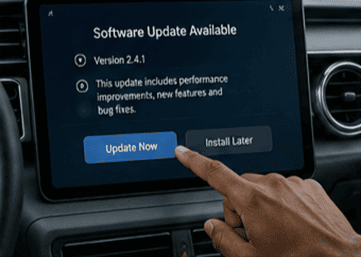
One of the biggest advantages of software-defined vehicles is Over-the-Air (OTA) updates. Instead of booking a service appointment for every software improvement, drivers can receive updates directly through the vehicle’s internet connection.
These updates can:
- Improve fuel efficiency.
- Enhance battery performance in electric vehicles.
- Introduce new infotainment features.
- Strengthen cybersecurity.
- Fix software bugs and improve reliability.
This not only saves time but also ensures the vehicle continues to improve throughout its lifespan.
Smarter Cars Mean Safer Roads
Modern vehicles already use advanced technology such as adaptive cruise control, lane-keeping assistance, and automatic emergency braking. Software-defined vehicles take these features even further by continuously refining how they work.
Using artificial intelligence and data collected from sensors, cameras, and radar systems, SDVs can better detect hazards, assist drivers, and respond more effectively to changing road conditions.
As the technology matures, these intelligent systems are expected to play a significant role in reducing road accidents.

What Does This Mean for Kenyan Drivers?
Although software-defined vehicles are still relatively new in many African markets, their influence is already being felt. Many new models from leading manufacturers now support OTA updates and connected services.
For Kenyan motorists, this could mean:
- Lower maintenance costs through remote diagnostics.
- Improved vehicle reliability.
- Access to new features without replacing the vehicle.
- Better navigation and connectivity.
- Enhanced driving safety.
As internet connectivity and digital infrastructure continue to improve, software-defined vehicles are likely to become increasingly common on Kenyan roads.
The Road Ahead
The future of the automotive industry is no longer defined only by engines and mechanical engineering. Software is becoming a key part of every new vehicle, enabling manufacturers to deliver smarter, safer, and more efficient driving experiences.
Whether you’re considering your next vehicle purchase or simply keeping up with automotive trends, understanding software-defined vehicles offers a glimpse into where the industry is headed. As technology continues to evolve, tomorrow’s cars will not only drive better—they’ll continue to improve long after you’ve driven them home.
Final Thoughts
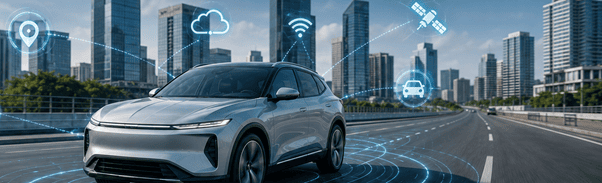
Software-defined vehicles represent a major shift in automotive innovation. By combining powerful computing systems with internet connectivity and artificial intelligence, they are transforming how cars are built, maintained, and experienced. While widespread adoption in Africa may take time, there’s little doubt that this technology will play a central role in the future of mobility.
