


The automotive world has entered one of the most transformative periods in its history.
Manufacturers are investing billions into electric mobility, artificial intelligence, software-defined vehicles, and next-generation manufacturing. At the same time, competition is becoming fiercer as new brands challenge long-established giants.
While many of these developments begin in Europe, Asia, and North America, they rarely stay there for long. History has shown that global automotive trends eventually influence the African market—whether through imported vehicles, new dealership networks, or changing consumer expectations.
If you’re planning to buy a car in the next few years, understanding these shifts today could help you make a smarter decision tomorrow.
1. Chinese Manufacturers Are No Longer Just “Budget Brands”
Just a few years ago, many buyers overlooked Chinese vehicles.
Today, that perception is changing rapidly.
Brands such as BYD, Chery, Geely, GWM, and MG are investing heavily in vehicle quality, safety, technology, and design. They are expanding into new international markets and offering features that were once reserved for premium European brands.
For African buyers, this means more competition, more choice, and potentially better value for money.
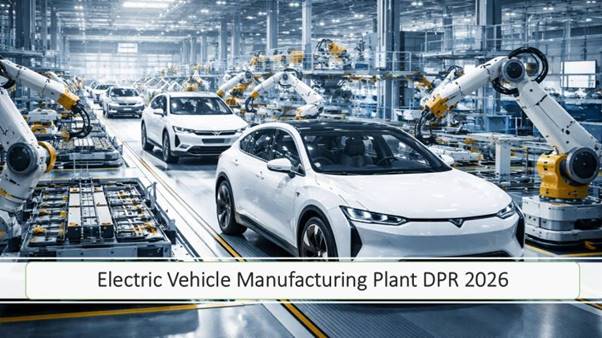
Chinese manufacturers are rapidly reshaping the global automotive landscape with advanced technology and competitive pricing.
2. Software Is Becoming Just as Important as Horsepower
Modern cars are no longer defined solely by their engines.
Manufacturers are competing through software.
Features such as:
- Over-the-air updates
- Connected services
- Voice assistants
- Smartphone integration
- Driver personalization
- Predictive maintenance
are becoming key selling points.
The car of the future will improve over time through software updates rather than requiring new hardware.
3. Hybrid Vehicles Continue to Gain Momentum
Although electric vehicles attract the headlines, hybrids remain one of the fastest-growing segments in many markets.
For regions where charging infrastructure is still developing, hybrids offer an attractive balance between fuel efficiency, practicality, and reduced emissions.
Many African buyers are expected to see an increasing number of hybrid imports over the coming years.
4. Artificial Intelligence Is Entering the Driver’s Seat
AI is quietly transforming the driving experience.
Manufacturers are using artificial intelligence to improve:
- Navigation
- Safety systems
- Driver monitoring
- Predictive maintenance
- Traffic management
- Voice control
Instead of replacing drivers, today’s AI is designed to make driving safer, easier, and more convenient.
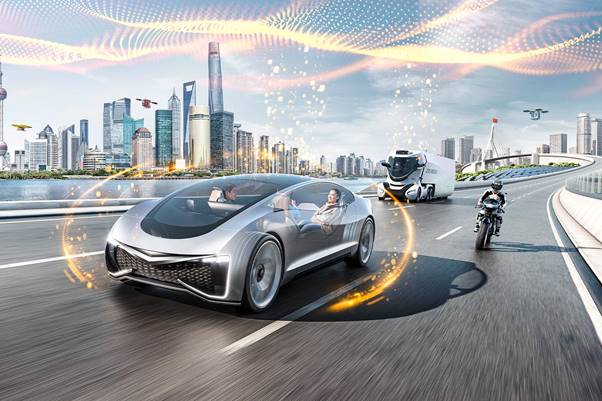
Artificial intelligence is becoming a central part of the modern driving experience.
5. Safety Technology Is Becoming Standard
Features that were once exclusive to luxury vehicles are now appearing in mainstream models.
These include:
- Automatic emergency braking
- Blind-spot monitoring
- Lane-keeping assistance
- Adaptive cruise control
- 360-degree cameras
- Driver attention monitoring
As these technologies become more common, buyers across Africa can expect safer imported vehicles in the years ahead.
6. Sustainability Is Changing Manufacturing
Manufacturers are under increasing pressure to reduce their environmental impact.
Many companies are investing in:
- Renewable energy
- Recycled materials
- Lower-emission production
- Battery recycling
- Sustainable supply chains
The future of automotive manufacturing is focused not only on cleaner vehicles but also on cleaner factories.
7. Luxury Brands Are Reinventing Themselves
Premium manufacturers are redefining what luxury means.
Instead of focusing only on leather interiors and powerful engines, today’s luxury vehicles emphasize:
- Intelligent technology
- Digital experiences
- Silent cabins
- Personalized software
- Sustainable materials
Luxury is becoming as much about innovation as it is about prestige.
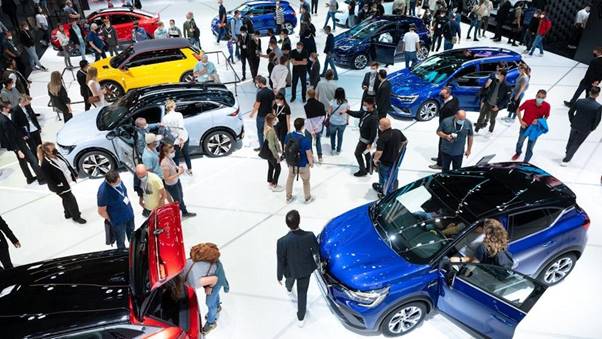
Luxury manufacturers are combining premium craftsmanship with cutting-edge digital technology.
Why This Matters for Africa
Many of the vehicles arriving in African markets over the next five years will reflect these global trends.
Buyers should expect:
- More hybrid imports.
- Greater availability of advanced driver-assistance systems.
- Increased competition from emerging manufacturers.
- More technology-focused ownership experiences.
- Better value as global competition intensifies.
For consumers, these changes create exciting opportunities—but also make research more important than ever before.
Understanding a vehicle’s software, technology, service support, and long-term ownership costs will become just as important as understanding its engine.
TorqueSavvy’s Global Perspective
The global automotive industry is evolving at an extraordinary pace.
For African drivers, this isn’t distant news—it’s a preview of what’s coming to local roads.
The brands, technologies, and innovations making headlines today are likely to influence tomorrow’s buying decisions across the continent.
At TorqueSavvy, our mission is to explain these changes in a way that helps our readers stay informed, make smarter purchasing decisions, and appreciate the exciting future of mobility.
Because understanding tomorrow’s trends starts today.
🌍 Stay Ahead of the Curve with TorqueSavvy
The automotive world never stands still—and neither do we.
Follow TorqueSavvy for trusted reviews, buying guides, global automotive news, and expert insights designed for African drivers and enthusiasts.
(You can place your newsletter signup or “Find My Next Car” CTA here, depending on the article.)
Global News Sunday Question
Which global automotive trend do you think will have the biggest impact on Africa over the next five years?
⚡ Electric vehicles
🔋 Hybrid technology
🤖 Artificial intelligence
🚘 The rise of Chinese manufacturers
Join the conversation in the comments—we’d love to hear your perspective.
